
Hybrid CoE Paper 3: Tackling the bureaucratic vulnerability: an A to Z for practitioners

When it comes to tackling hybrid threats or other complex challenges, all states and organisations share the same challenge– their own bureaucratic vulnerability.

Symptoms of this vulnerability include the inability to work effectively across government departments and units, poor information flow, competition for resources and influence, and incoherent public messaging.

As hybrid threats comprise the use of multiple tools, vectors and activities in coordination (with malign intent), they challenge the coherence and cohesion of bureaucracies, exploiting blind spots and targeting vulnerabilities. The origins of such bureaucratic vulnerability lie in the range of ministries in which different states choose to place the hybrid threat file.

Based on cooperation with Hybrid CoE participating states, the EU and NATO over the last three years (including on elections, deterrence and situational awareness), the COI Hybrid Influencing proposes following A to Z of tools, tips and principles for overcoming bureaucratic vulnerability.

China
Hybrid CoE Paper 31

China’s maritime hybrid warfare: How Beijing uses lawfare and civilian entities to amplify military power

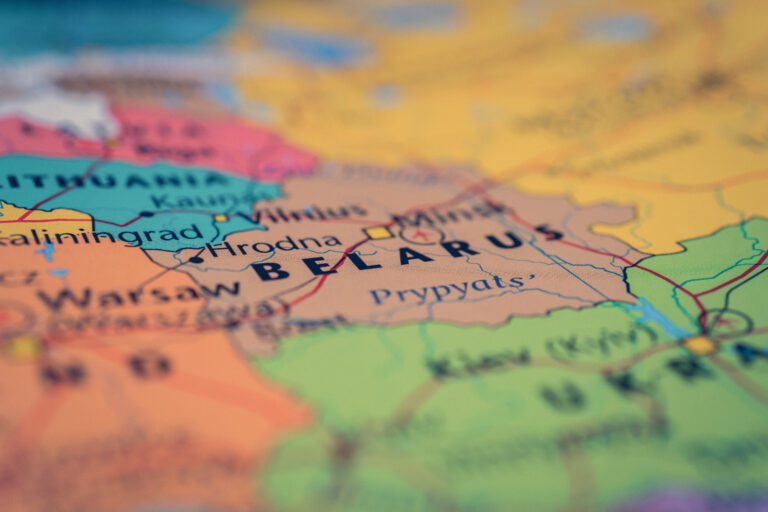
Belarus
Hybrid CoE Paper 30

Belarus as a hybrid threat actor: A Russian proxy with residual agency

Artificial intelligence (AI)
Hybrid CoE Paper 29

Artificial Intelligence and Foreign Information Manipulation: Chinese and Russian approaches

Cover photo of the publication
Arctic region
Hybrid CoE Paper 28

Bracing for a cold front: Assessing Russian and Chinese strategic objectives and hybrid threat capabilities in the Arctic

Cover photo of the publication
Russia
Hybrid CoE Paper 27

Handbook on the role of non-state actors in Russian hybrid threats

Photo of Svalbard used on the publication’s cover.
Arctic region
Hybrid CoE Paper 26

Hybrid threats in high latitudes: Facing Russia on Svalbard

Deterrence
Hybrid CoE Paper 25

Turning strategy into praxis: Lessons in hybrid threat deterrence

Identity & cognitive vulnerabilities
Hybrid CoE Paper 24

Social identities and democratic vulnerabilities: Learning from examples of targeted disinformation

Non-state actors
Hybrid CoE Paper 23

Countering state-sponsored proxies: Designing a robust policy

Aviation & Space
Hybrid CoE Paper 22

Cross-cutting technologies in Chinese space activities: Raising the risk of hybrid threats

Aviation & Space
Hybrid CoE Paper

Hybrid CoE Paper 21: China and space: How space technologies boost China’s intelligence capabilities as part of hybrid threats

Russia
Hybrid CoE Paper

Hybrid CoE Paper 20: Ukraine’s position in Russia’s strategic thinking: Domestic, regional and international order

Cyber
Hybrid CoE Paper

Hybrid CoE Paper 19: Legal power play in cyberspace: Authoritarian and democratic perspectives and the role of international law

Arctic region
Hybrid CoE Paper

Hybrid CoE Paper 18: The Arctic after Russia’s invasion of Ukraine: The increased risk of conflict and hybrid threats

Instrumentalized migration
Hybrid CoE Paper

Hybrid CoE Paper 17: Instrumentalized migration and the Belarus crisis: Strategies of legal coercion

Maritime
Hybrid CoE Paper

Hybrid CoE Paper 16: Handbook on maritime hybrid threats: 15 scenarios and legal scans