
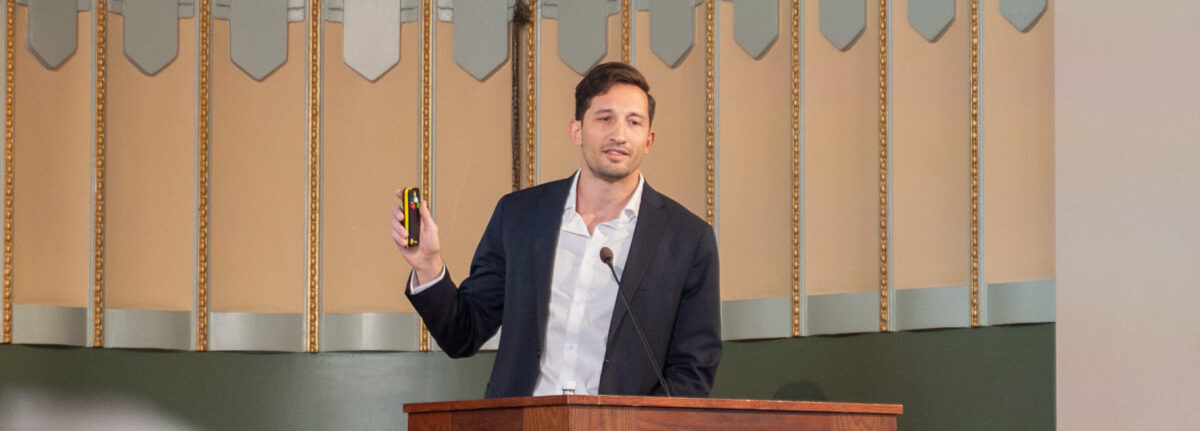
“Cyber is a hidden battlefield,” Teija Tiilikainen, Director of Hybrid CoE, reminded the audience in her opening speech for Hybrid CoE’s 8th Cyber Power Symposium on Hybrid Conflict and Warfare.
“Cyber affects not only our security but our sense of security: we know how dependent our societies are on cyber. Coupled with the fact that the technological competition among hostile actors aiming to weaken our democratic societies is rapidly increasing, this makes cyber threats particularly dangerous to our societies,” she continued.
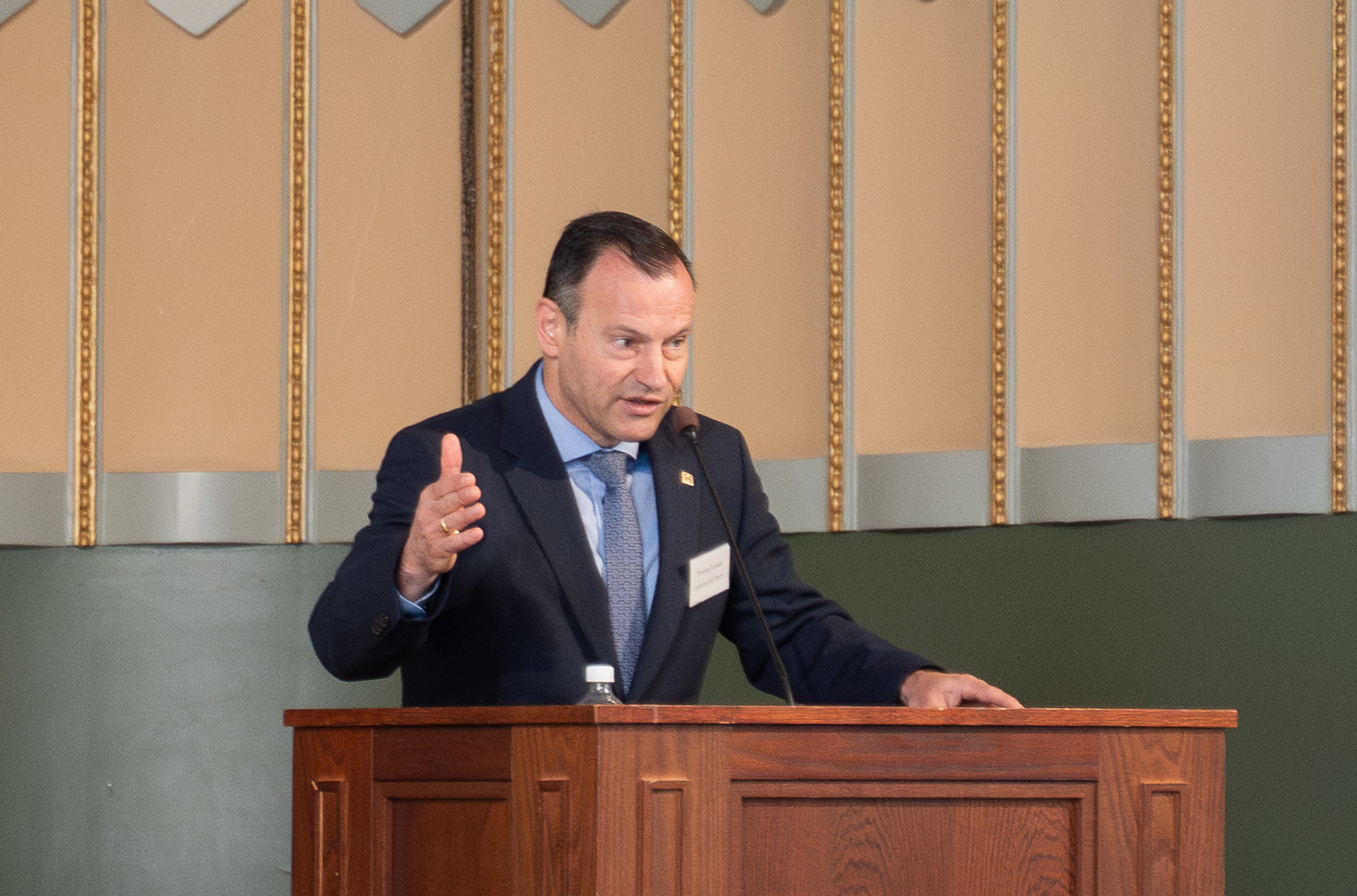
The eighth symposium brought together experts, researchers and practitioners from Hybrid CoE’s Participating States, as well as the EU and NATO, in Helsinki at the beginning of May. This year’s symposium focused on the nexus of cyber and hybrid threats, cybersecurity and defence, and challenges from big tech and artificial intelligence (AI), for example.
It also featured presentations and discussions on current national approaches to ensuring cyber resilience from several EU countries and Ukraine to help in preparing for an intensifying cyber and hybrid threat environment.
Cyber elements present in almost every modern conflict
Many participants emphasized that cyber elements played a role in almost all today’s conflicts, from military operations and information campaigns to sabotage targeting critical infrastructure such as energy systems and communication networks.
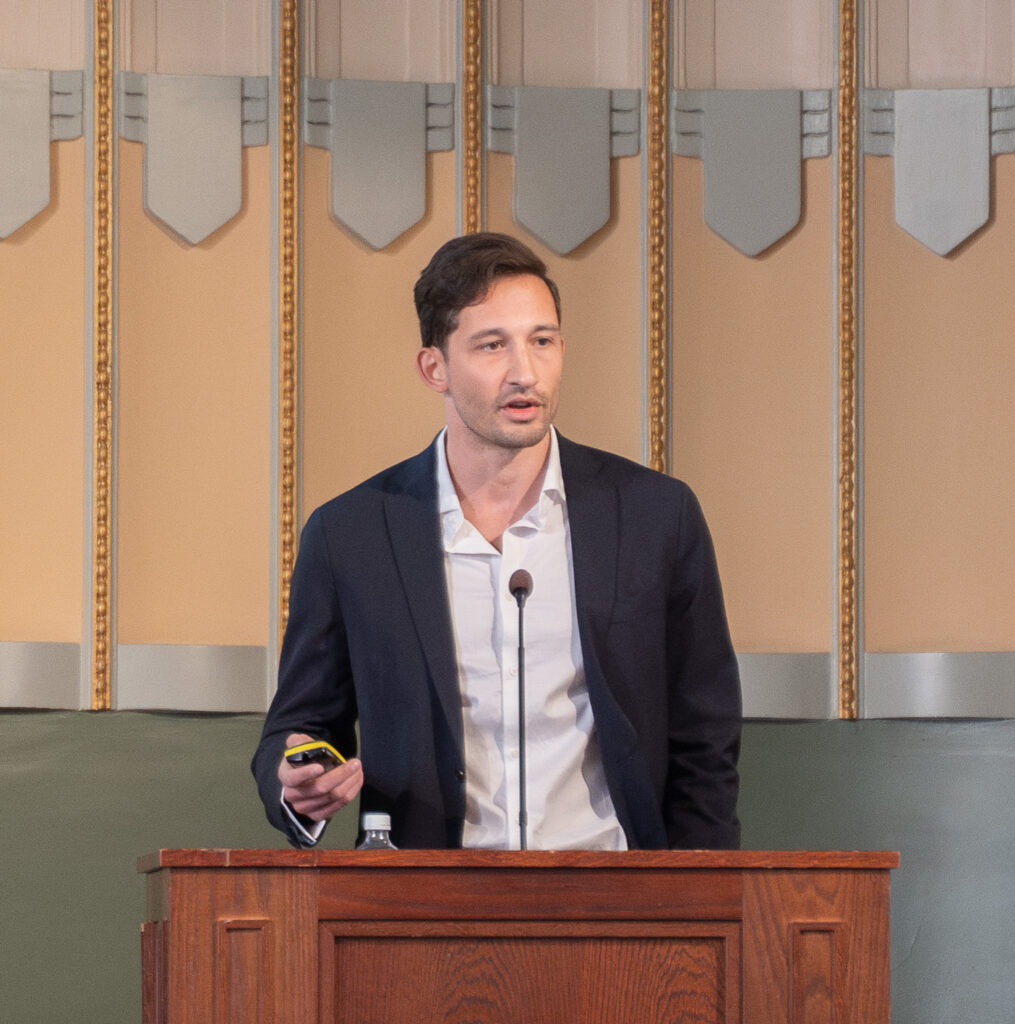
“It’s important to think beyond direct cyberattacks when we consider cybersecurity and preparedness. Hybrid threats related to cyberspace can range from information operations to physical attacks on critical infrastructure such as energy and telecommunications,” explains Tinna Sigurðardóttir, Senior Analyst at Hybrid CoE.
“Cyberspace connects all societal domains with one another. It’s central to the many hybrid threat campaigns to which Europe is currently exposed. The great majority of malign cyber activities happen below the threshold of armed conflict as part of hybrid threat campaigns,” continues David Song-Pehamberger, Deputy Director of the Community of Interest on Strategy and Defence at Hybrid CoE.
“So it’s vital to discuss and share practices on how to respond to these grey-zone attacks,” he concludes.
In collaboration with several of the experts present, Hybrid CoE will release a follow-up publication in the autumn on the symposium’s key topics.
Read more:
Hybrid CoE Paper 27 – Handbook on the role of non-state actors in Russian hybrid threats